Rules and Costs of Living on a Houseboat
Living on a houseboat involves complying with certain regulations specific to life on the water. While these requirements may sometimes seem restrictive, they help ensure the safety of occupants, protect the vessel and support the proper management of inland waterways.
Before purchasing a houseboat or residential barge, it is important to understand the main administrative requirements, maintenance obligations and costs associated with life on the water.
Maintaining a Residential Houseboat
Like any home, a houseboat requires regular maintenance to preserve its value and ensure the safety of its occupants.
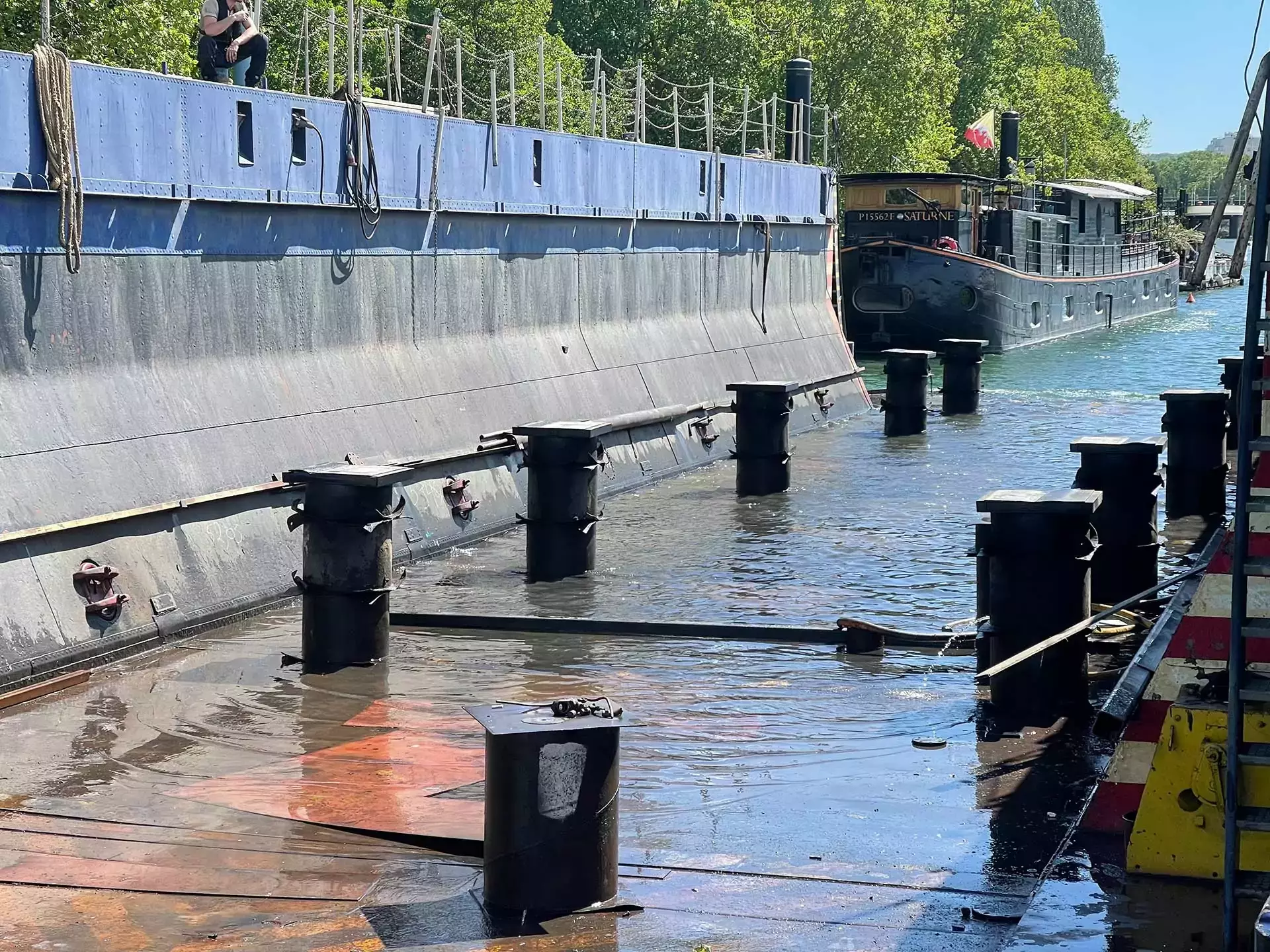
One of the most important inspections concerns the hull. It must be taken out of the water and professionally inspected at regular intervals to assess its overall condition. This operation can be carried out in a shipyard or using a suitable floating dry dock.
Regular maintenance helps monitor the condition of the vessel and is also an important consideration when buying or selling a houseboat.
The Temporary Occupancy Agreement (C.O.T.)
One of the key elements to verify when purchasing a houseboat in France is the Temporary Occupancy Agreement, commonly known as a C.O.T.
This authorisation allows a vessel to legally occupy a mooring location on the public waterway domain. It is generally issued by the relevant waterway authority, such as Voies Navigables de France (VNF) or the competent port authority.
Before completing a purchase, it is essential to ensure that the vessel has the appropriate occupancy rights for its intended use and location.
What Are the Costs of Living on the Water?
The day-to-day expenses associated with a residential houseboat are similar to those of a traditional house or apartment, including electricity, water, telecommunications, insurance and routine maintenance.
However, life on the water also involves certain costs specific to floating homes, particularly those related to mooring rights and vessel maintenance.
The total amount of these expenses can vary depending on the location, the facilities available at the mooring site and the characteristics of the vessel itself.
Preparing Your Floating Home Project
Buying a houseboat involves much more than selecting the right vessel. The condition of the hull, occupancy rights, operating costs and maintenance requirements should all be carefully evaluated before making a decision.
With extensive experience in the residential houseboat market, River Coach helps clients better understand the specific aspects of life on the water and supports them throughout their floating home project.